
Meet the 2026 CB4EE cohort and explore their academic and professional backgrounds, research interests, and potential contributions to engineering education and related fields.
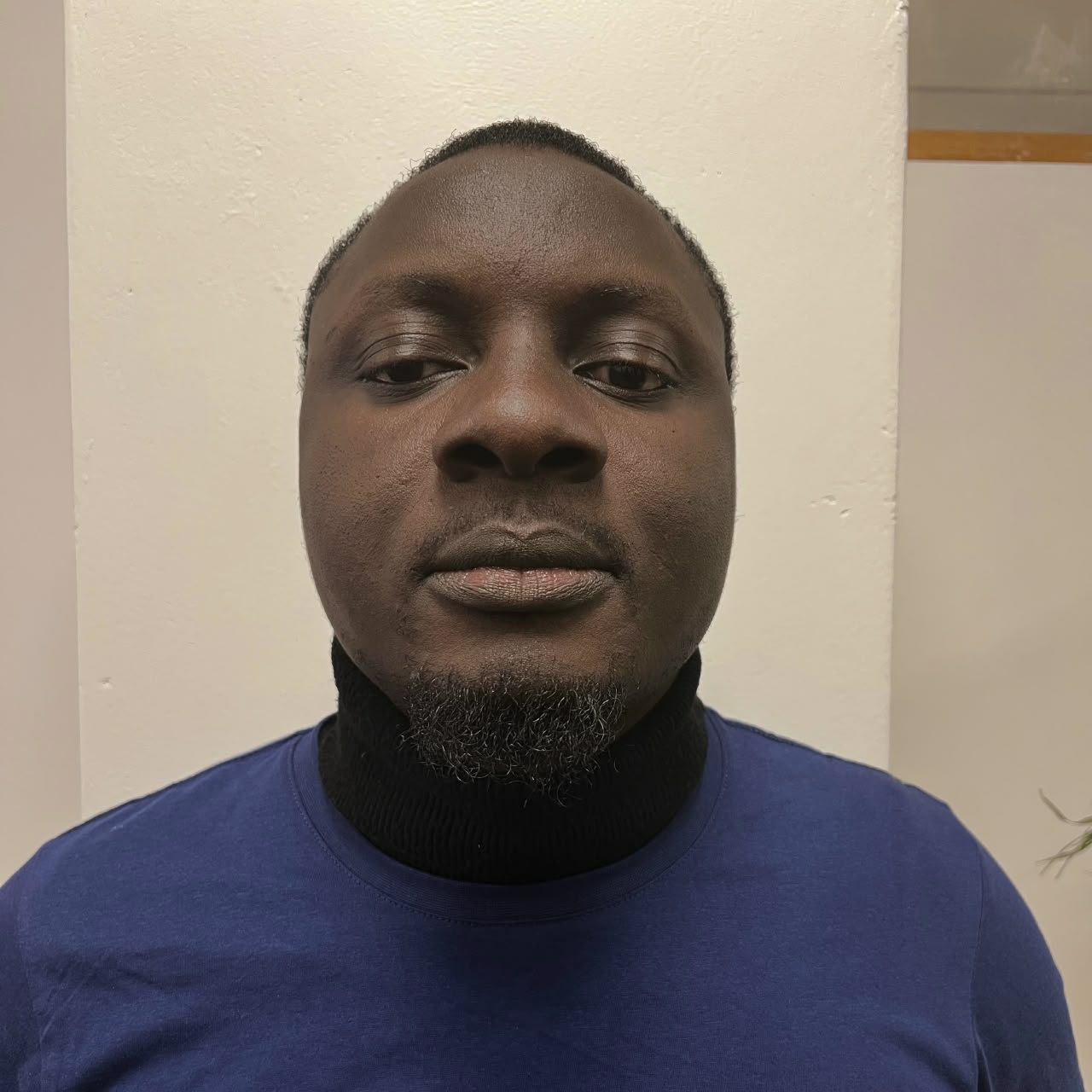
Mohamed Anthony Kamara obtained his B.Eng. (Hons) in Civil Engineering from the University of Sierra Leone, Fourah Bay College, where he graduated with First Class Honours. Before commencing his MPhil in Engineering Education at the University of Cape Town, he worked as a Graduate Research and Teaching Assistant at the University of Sierra Leone, Fourah Bay College.
His research focuses on engineering education, particularly how curriculum design, teaching methods, and resource availability shape industry ready CAD proficiency among civil and mechanical engineering graduates. His work sits at the intersection of engineering education, curriculum studies, competency development, and employability.
His research has the potential to inform curriculum design, teaching practices, and resource allocation in engineering education to better develop industry ready CAD competencies among engineering graduates.
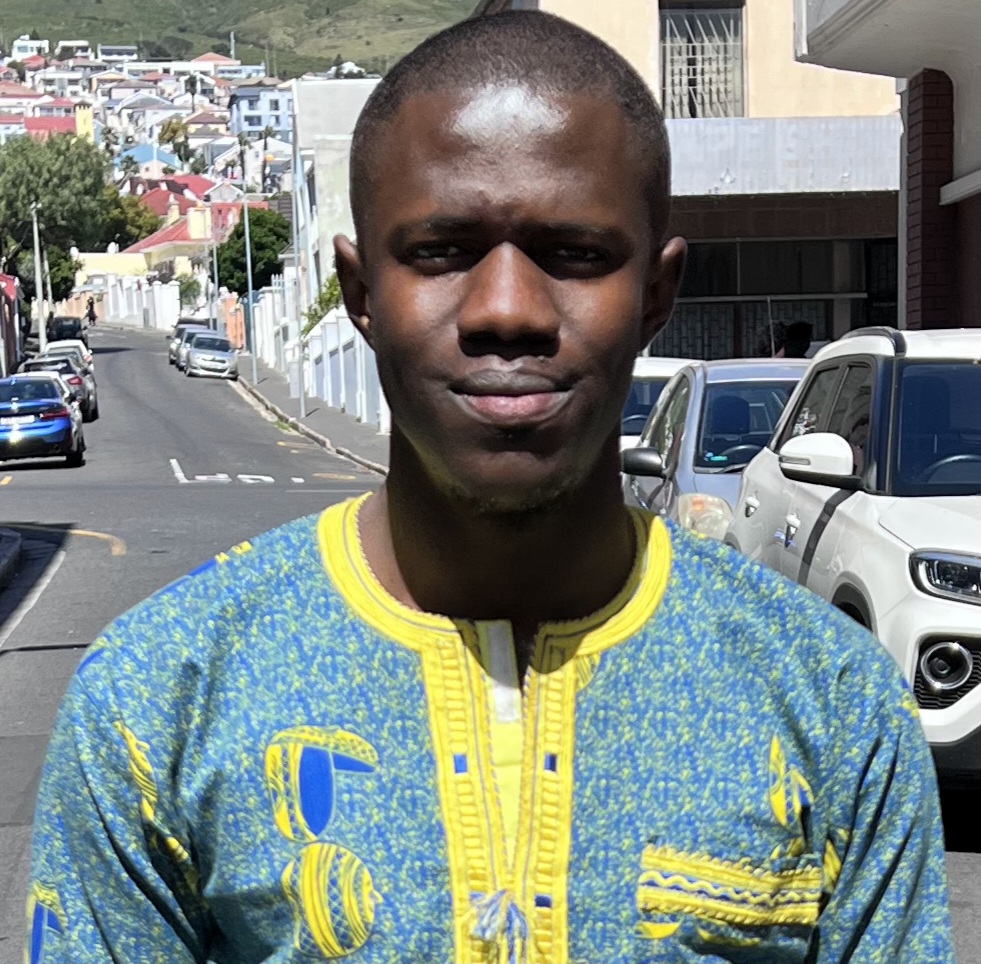
Richard Margai obtained his First Class Honours degree in Civil Engineering from Fourah Bay College, University of Sierra Leone. Before pursuing his MPhil in Engineering Education at the University of Cape Town, he worked as a Research and Teaching Assistant at Fourah Bay College.
His research explores engineering students' learning experiences during workplace learning, focusing on how they access, apply, and develop engineering knowledge during the Student Industrial Work Experience Scheme (SIWES) at the University of Lagos, Nigeria. It sits at the intersection of engineering education, workplace learning, and Cultural-Historical Activity Theory.
His research aims to contribute to a better understanding of how workplace learning can support the development of engineering knowledge, skills, and professional competencies. The findings may inform the design and improvement of work-integrated learning programmes and strengthen connections between engineering education and professional practice.
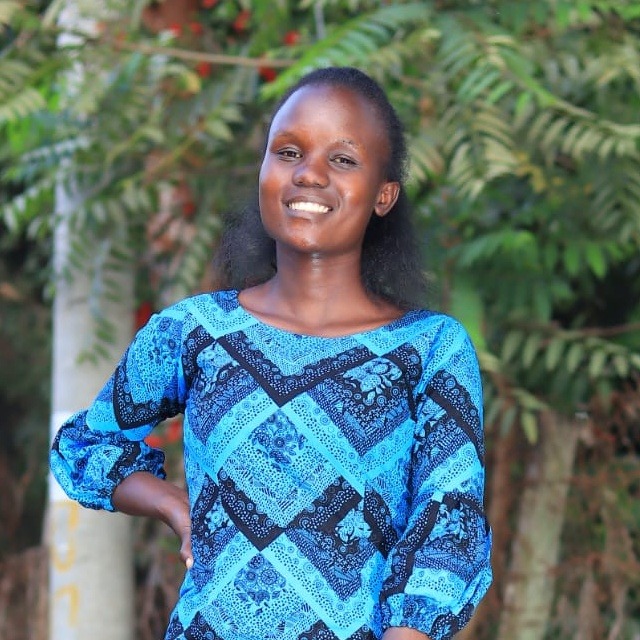
Valentine Buyaki obtained her Bsc in Petroleum Engineering from Kenyatta University in Kenya, building a strong foundation in drilling, reservoir and production engineering. Before starting her MPhil in engineering education research, she worked as a database administrator intern at Safaricom PLC, gaining practical experience in managing, organising and securing large-scale data systems.
Her research focuses on the alignment between the non-technical competencies petroleum engineering graduates in Kenya report developing, and those stated as intended learning outcomes in the petroleum engineering curriculum. It sits at the intersection of engineering education and professional readiness as it uses Constructive Alignment to examine how well graduates are prepared for industry.
This study could inform curriculum reform in Kenyan petroleum engineering program by showing where non- technical competencies are developed or missed, supporting the country's Washington Accord goals.
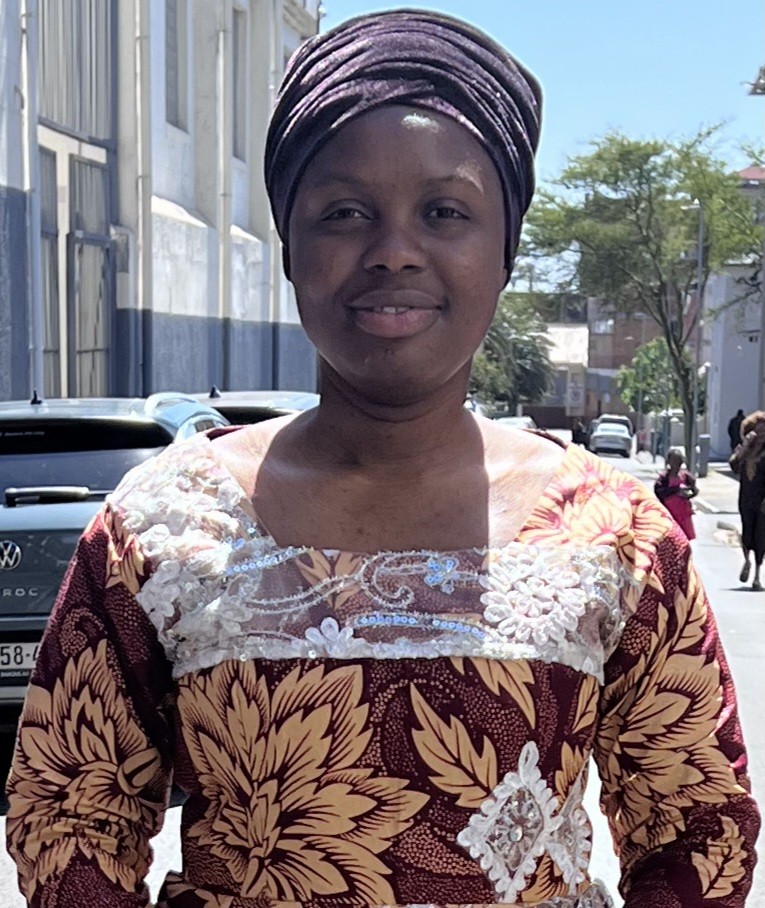
Regina obtained her first degree from Fourah Bay College, University of Sierra Leone, in the civil engineering department. She graduated in 2024 as a civil engineer, and worked at the Sierra Leone Roads Authority before pursuing the MPhil in Engineering Education at the University of Cape Town. She is currently continuing her studies at UCT, with an interest in engineering education and research.
Regina's research explores female engineering students’ sense of belonging at the University of Lagos. It focuses on how female engineering students experience and interpret belonging within engineering programmes, while contributing to the broader field of engineering education.
The study will contribute context-specific knowledge on female engineering students’ sense of belonging in an African university context. It may also contribute to engineering education research by providing insights that can inform understanding of students’ experiences and learning environments.
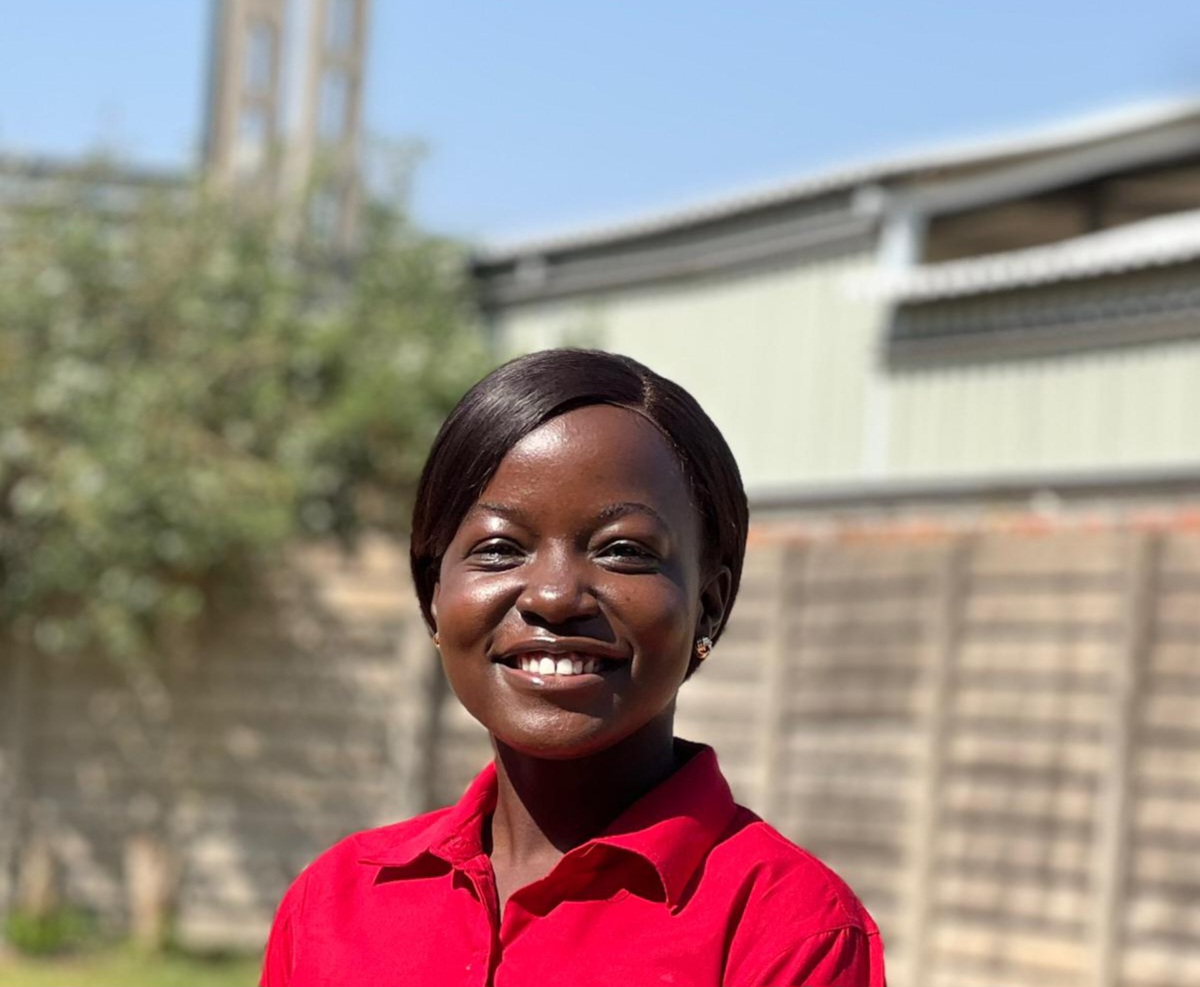
Adelin holds a BEng Honours Degree in Chemical Engineering from National University of Science and Technology (NUST) in Zimbabwe. Her professional background spans mineral processing,water treatment and business development.
Her research focuses on how first-year students come to study chemical engineering. It explores the influences, experiences and perceptions that shape career choice.
Adelin’s work can inform universities and other relevant stakeholders by revealing why students choose chemical engineering as a field of study. The findings may help institutions better tailor their outreach, recruitment and first-year support to students’ needs.
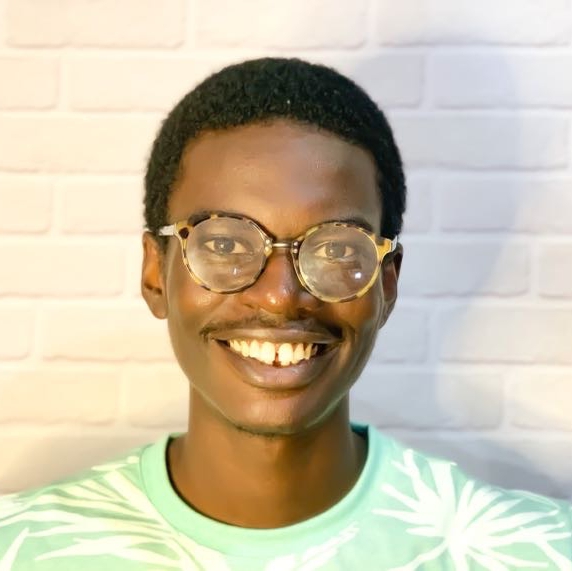
Joshua Olunlade obtained his B.Eng and M.Eng in Mechanical Engineering from Adeleke University in Nigeria, where he also worked as a Graduate Assistant. He is now an MPhil student in Engineering Education at the Centre for Research in Engineering Education (CREE), University of Cape Town, supervised by A/Prof. Bruce Kloot and Dr. Lauren Jansen.
His research examines how Nigerian engineering undergraduates make sense of and navigate access to industrial placements (SIWES), using constructivist grounded theory. It sits at the intersection of engineering education, work-integrated learning, and access and equity in higher education.
His work shifts attention to the often-overlooked stage before a placement begins, when students seek and secure it, which the literature on work-integrated learning has largely left unexamined. By constructing theoretical explanations from students' own accounts, it aims to give universities, industry partners and policymakers a clearer, evidence-based picture of the structural and personal factors that shape who gains access to placements. It also supports more equitable placement systems in Nigeria and comparable contexts across Africa.
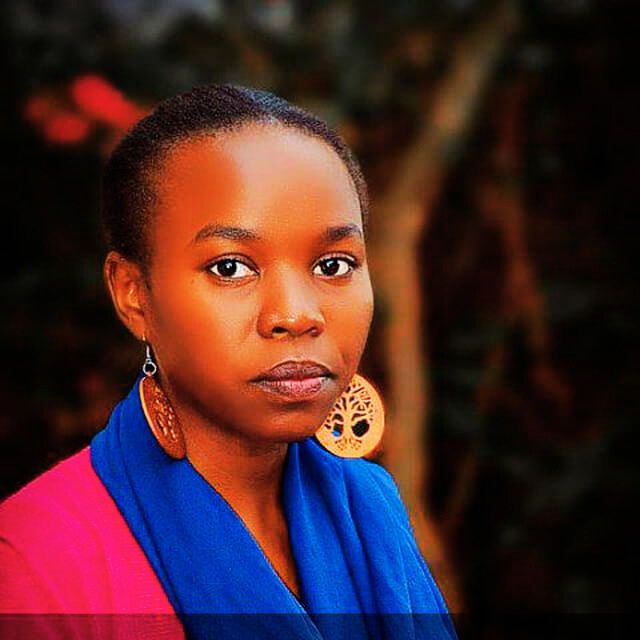
Virginia obtained her BSc in Civil Engineering from the Technical University of Mombasa, Kenya. Before her MPhil, she interned with the State Department for Housing and Urban Development and worked as an assistant site supervisor at the Kenya Ports Authority. She has also worked as a high school STEM teacher and served as a class representative and peer mentor during her undergraduate studies.
Her research explores how early-career civil engineers retrospectively make sense of their undergraduate lived curriculum experiences as they navigate the transition into professional practice. She examines what graduates perceive as valuable in their preparation, where gaps emerge, and what these experiences reveal about preparing civil engineers for the workplace.
This study brings the perspectives of early-career civil engineers into discussions of graduate preparedness for professional practice in Kenya. By exploring how graduates reflect on their undergraduate curriculum experiences and make sense of their relevance to the realities of professional work, the study seeks to provide practice-informed insights for strengthening curriculum design and teaching in civil engineering education.
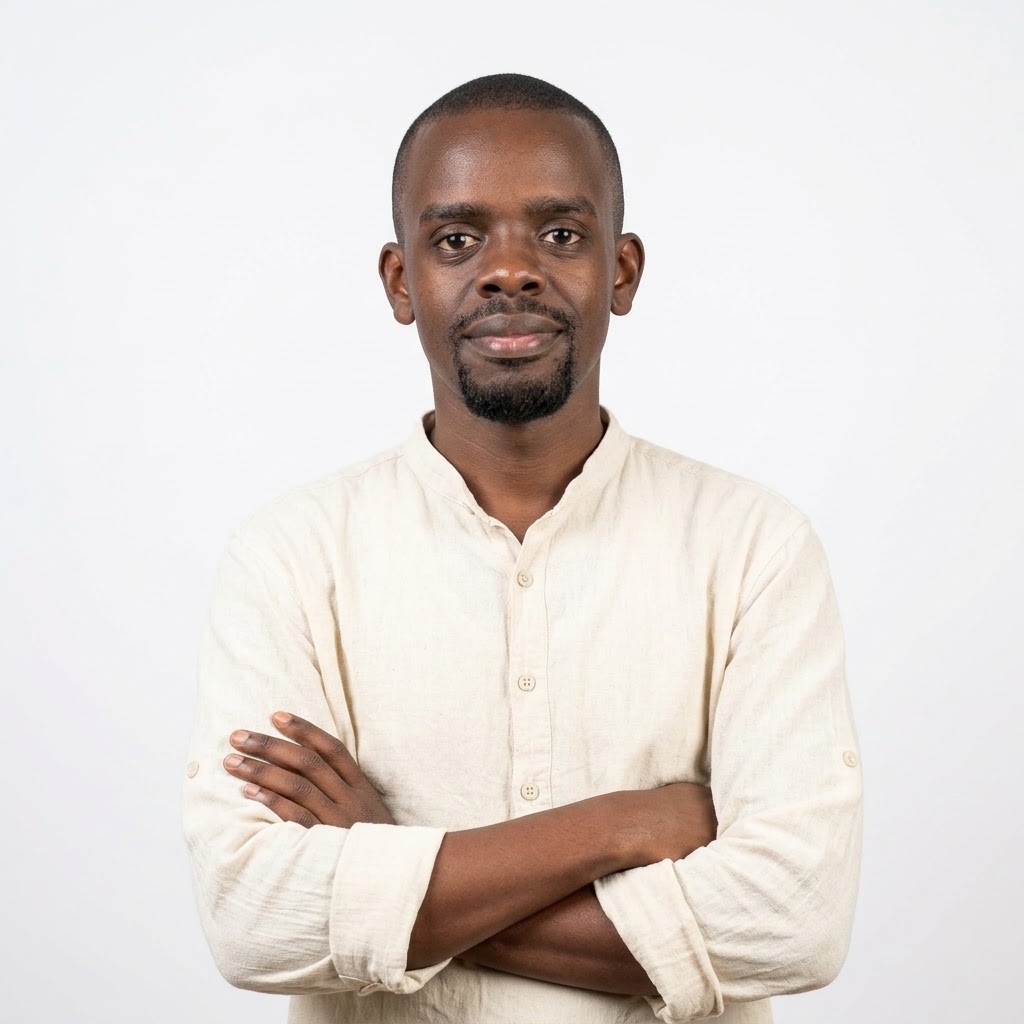
Brian Otieno is an innovative software and data engineer building high-impact digital infrastructure. Armed with a BSc in Telecommunications, he previously led technical strategy as Engineering Lead at Litudian. Now pursuing an MPhil at the University of Cape Town, he brings a track record of architecting scalable ETL pipelines and award-winning global fintech platforms.
Brian's research evaluates the Kenya Engineering Technology Registration Board against the Sydney Accord's international benchmarks. Sitting at the intersection of engineering education and institutional policy, his work uses Outcome-Based Education and Neoinstitutional Theory to analyze how global accreditation standards are institutionalized within local academic frameworks.
Brian's research bridges local engineering qualifications and global accreditation standards. By analyzing Kenya's regulatory frameworks against the Sydney Accord, he provides actionable policy insights to enhance the global mobility and employability of African engineering technologists, illustrating how Outcome-Based Education is institutionalized in developing contexts.


Funded by the European Union. Views and opinions expressed are however those of the author(s) only and do not necessarily reflect those of the European Union or the European Education and Culture Executive Agency (EACEA). Neither the European Union nor EACEA can be held responsible for them.