
Meet the 2025 Cohort students and explore their academic and professional backgrounds, research interests, and potential contributions to engineering education and related fields.
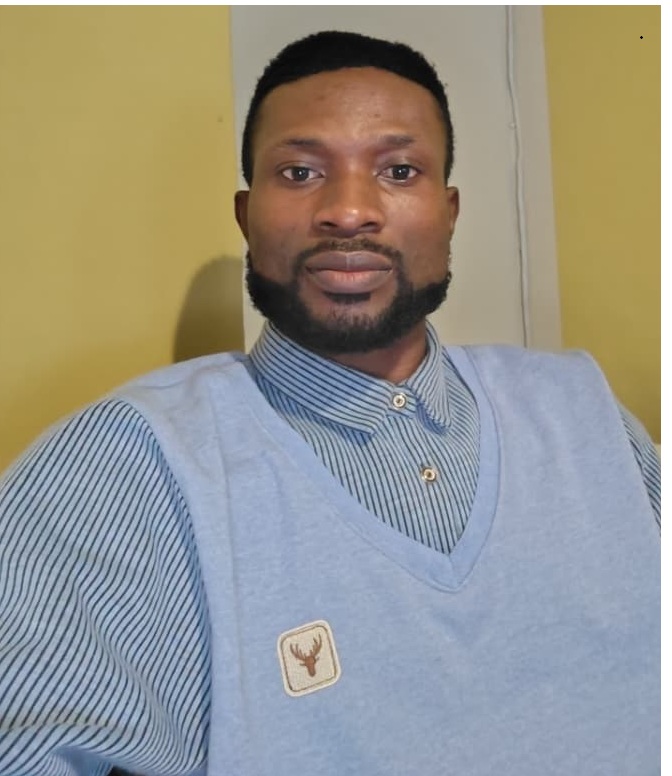
Oluwagbenga John Adeniran is from Nigeria. He earned his Master's degree in Industrial Engineering at the University of Benin, Nigeria, where he further developed his interest in engineering education. After his postgraduate studies, he joined Landmark University in Omu-Aran, Nigeria, as an Assistant Lecturer in the Department of Mechanical/Mechatronics Engineering. Motivated by the broader issues surrounding engineering education, he is currently pursuing a PhD in Engineering Education at the University of Cape Town, South Africa.
His research sits at the intersection of engineering education, entrepreneurship and innovation. He is currently exploring how undergraduate engineering students in Nigeria and South Africa articulate and enact their entrepreneurial mindsets. He seeks to undertake a comparative study between these two countries using a qualitative case study approach. The study also explores how institutional and broader national ecosystems shape students' entrepreneurial thinking and experiences. Particular attention is given to the ways in which these environments enable or constrain entrepreneurial thinking and development. Through this work, he seeks to contribute to a deeper understanding of entrepreneurship within diverse educational and societal contexts.
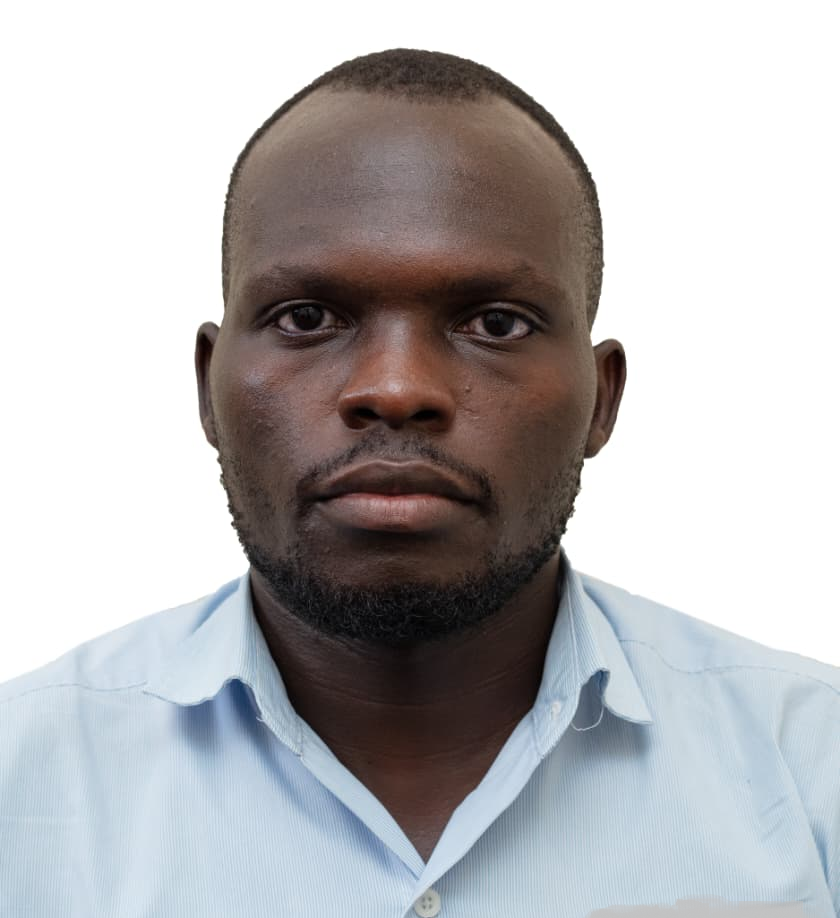
Ilemut holds a Bachelor's degree in Electrical and Electronics Engineering from Mbarara University of Science and Technology. Before commencing his MPhil studies, he worked at CAMTech Uganda as the Robotics for Education Program Coordinator and Instructor, where he trained pre-university and university students in introductory electronics and robotics.
His research explores potential innovation-oriented competence gaps among recent engineering graduates that may hinder their effective participation in innovation and R&D.
Identifying valued innovation-oriented competences and gaps among recent engineering graduates has the potential to inform curriculum reforms and interventions that promote innovation and R&D.
Wington M. Namagowa is an Assistant Lecturer in Manufacturing Engineering at the Malawi University of Science and Technology (MUST). He holds a First-Class Bachelor’s degree in Industrial Engineering (Hons) from the University of Malawi. Currently, he is pursuing a Master of Philosophy in Engineering Education (Mechanical) at the University of Cape Town. Prior to joining academia, he worked across the manufacturing, railway, and oil and gas sectors, gaining experience in operations, maintenance, and project management roles.
His research focuses on engineering education, with particular interest in engineering competencies, graduate preparedness and industry needs.
His work aims to strengthen the alignment between engineering education and industry needs.

Susan earned her MSc in Electrical Engineering (Power Systems option) from the Pan-African University (PAUSTI) at JKUAT, Kenya, where she researched Load Shedding and Metaheuristic Algorithms. Before her PhD, she lectured at a university in Nyeri, having previously worked with Schneider Electric and the S.E.E.D Centre, a DAAD-funded living-lab project in Kenya.
Her current research sits at the intersection of teaching and practice, focusing on the interplay of identities, beliefs and practices that influence decision-making within the Renewable Energy Transition in Kenya. Susan's career has moved between industry and academia, and she is curious about how knowledge travels, especially from the perspective of a dual practitioner who simultaneously teaches and works with industry or government on energy policy and decision-making.
She is keen to foster engineering education in Africa by understanding the impact of social practice in her previously deeply techno-centric world.
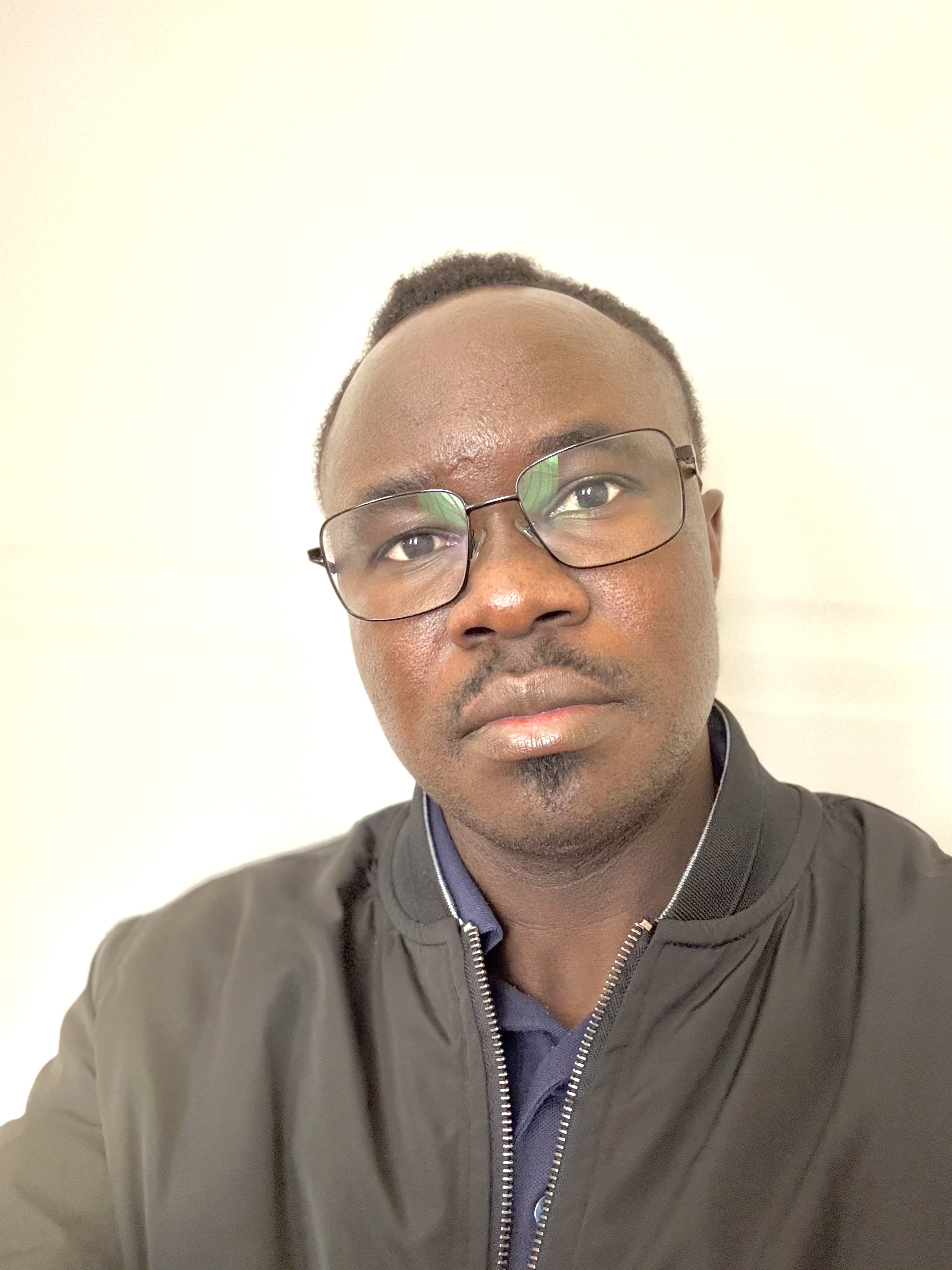
Joseph obtained his MSc in Sustainable Energy Transition from Strathmore University and Electrical Engineering from Makerere University.Before starting the MPhil, he worked in the BSc and MSc Curricula development, energy research, energy development, lecturing and preparing laboratory session for the engineering students. He also worked in developing energy innovators for economic transformation
The research is focusing on establishing why sustianbility programmes from engineering context mainly in Kenya Universities are adopting certain learning activities for skills and competencies development. This is to help intersect learning activities and skills and competencies development for sustainability
Aligning learning activities and sustainability competencies and skills
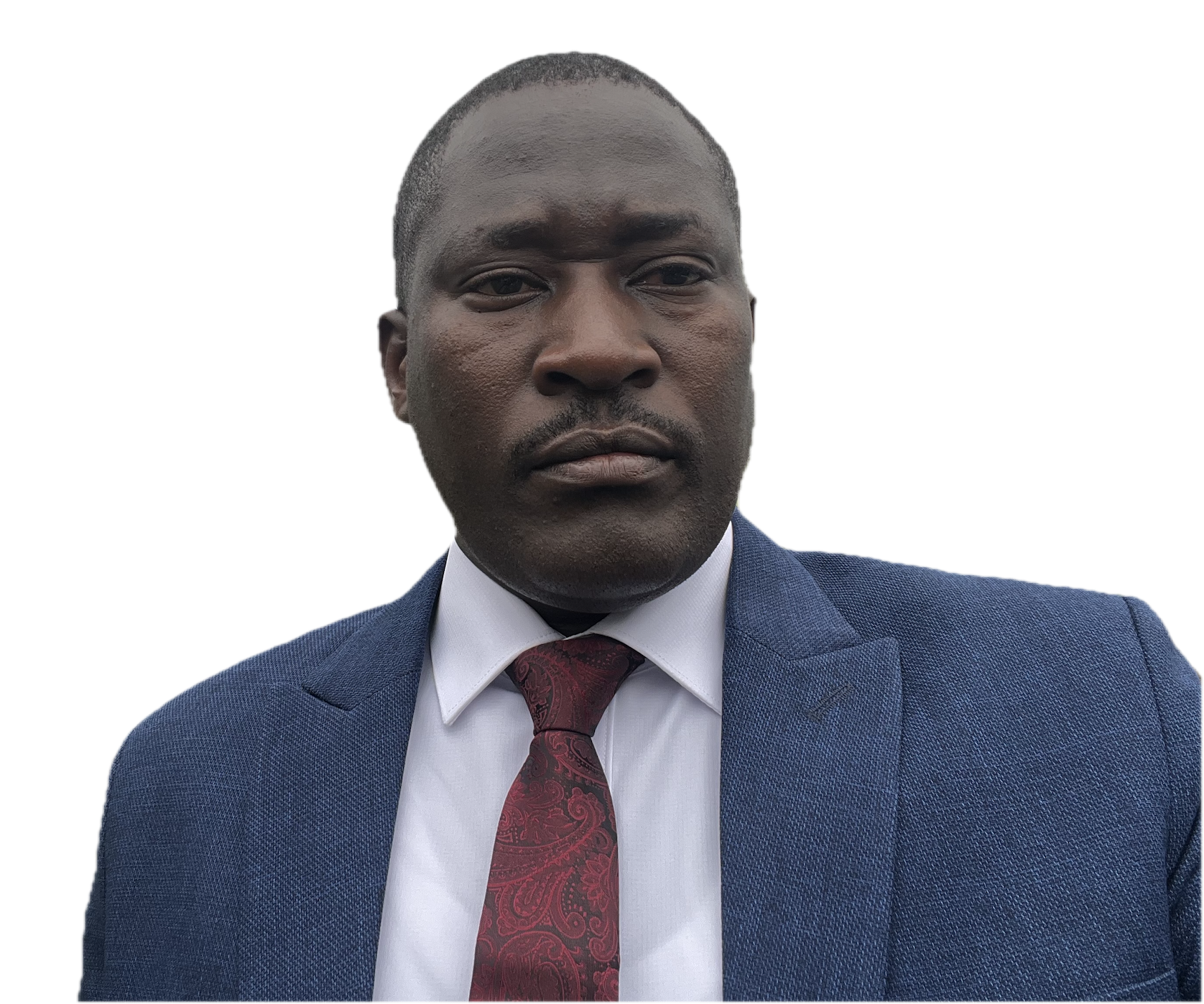
John Ziine is a lecturer in the Department of Electrical and Electronic Engineering at Mbarara University. He obtained his Bachelor’s degree in Telecommunications Engineering from Makerere University, and his Master’s was in Business Informatics, focusing on Optimisation of Off-grid Hybrid Energy Systems. Before starting his PhD, John taught courses in energy systems and communication systems.
John’s PhD, under the supervision of Professor Bruce Kloot, is theoretically grounded in Communities of Practice, to critically examine engineering professionalisation in Uganda. Additionally, the study incorporates the concept of gatekeeping to provide a more nuanced understanding of the barriers that shape access to, and progression within, the engineering profession.
Through this combined theoretical approach, John’s work seeks to contribute to broader debates on engineering professionalisation, inclusion, and the dynamics that influence the development of engineering capacity in contexts characterised by resource constraints and institutional complexities.
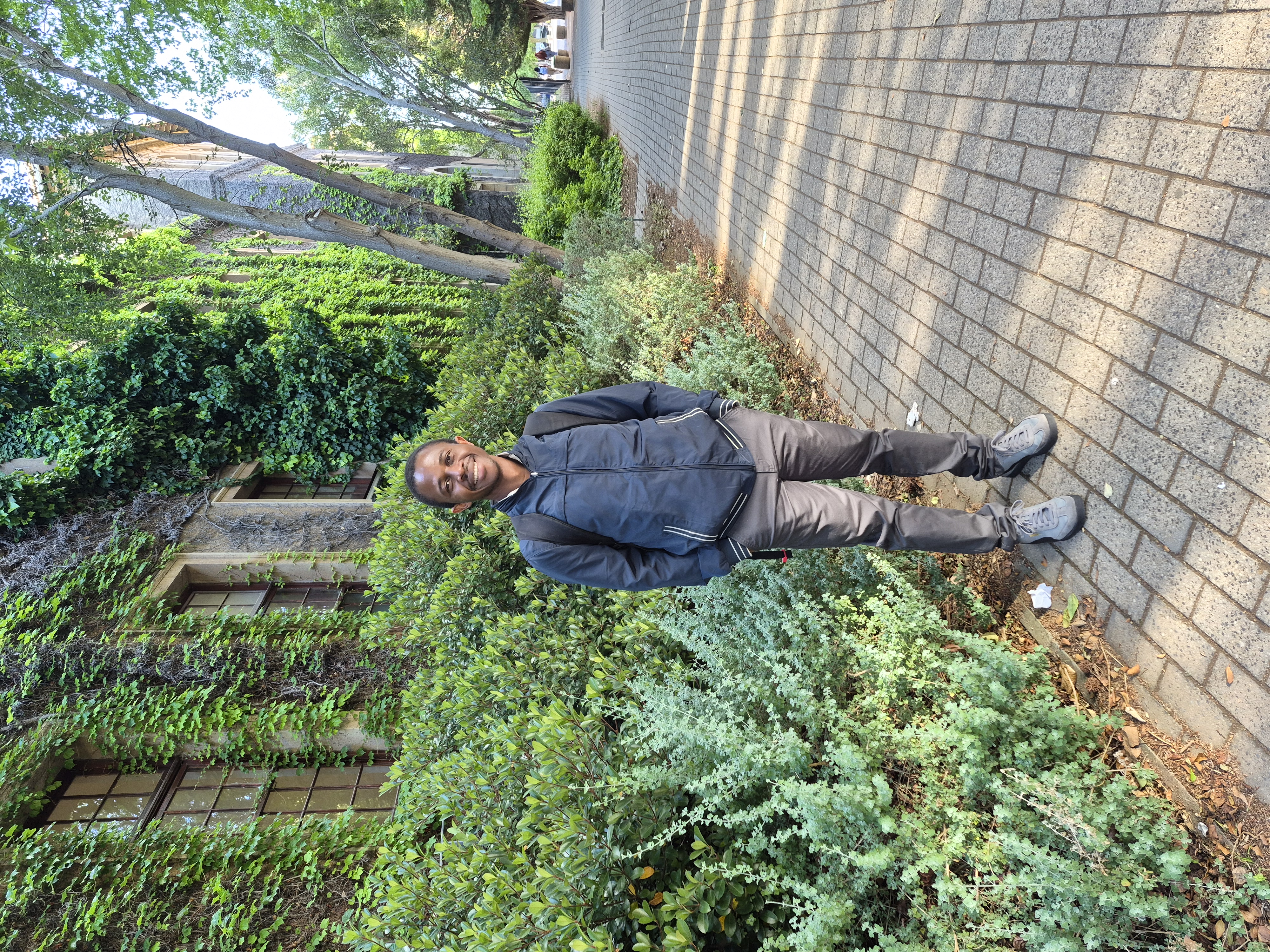
Sullayman Greatman Mansaray is a registered Professional Engineer and a Corporate Member of the Sierra Leone Institution of Engineers. Before pursuing his PhD, he lectured at Eastern Technical University of Sierra Leone, where he held academic leadership roles. He specialises in Civil and Environmental Engineering, Structural Engineering, and Quality Assurance in Higher Education.
Sullayman’s current research focuses on sustainability in engineering education, particularly in the Global South. His work explores how sustainability can be integrated into engineering curricula, teaching and learning, and professional engineering practice at a transformational level, especially in resource-constrained environments.
His research contributes to engineering education reform by foregrounding perspectives from resource-constrained contexts. It has the potential to support curriculum transformation, strengthen sustainability-oriented engineering practice, and prepare engineers to respond more effectively to social, environmental, economic and developmental challenges.
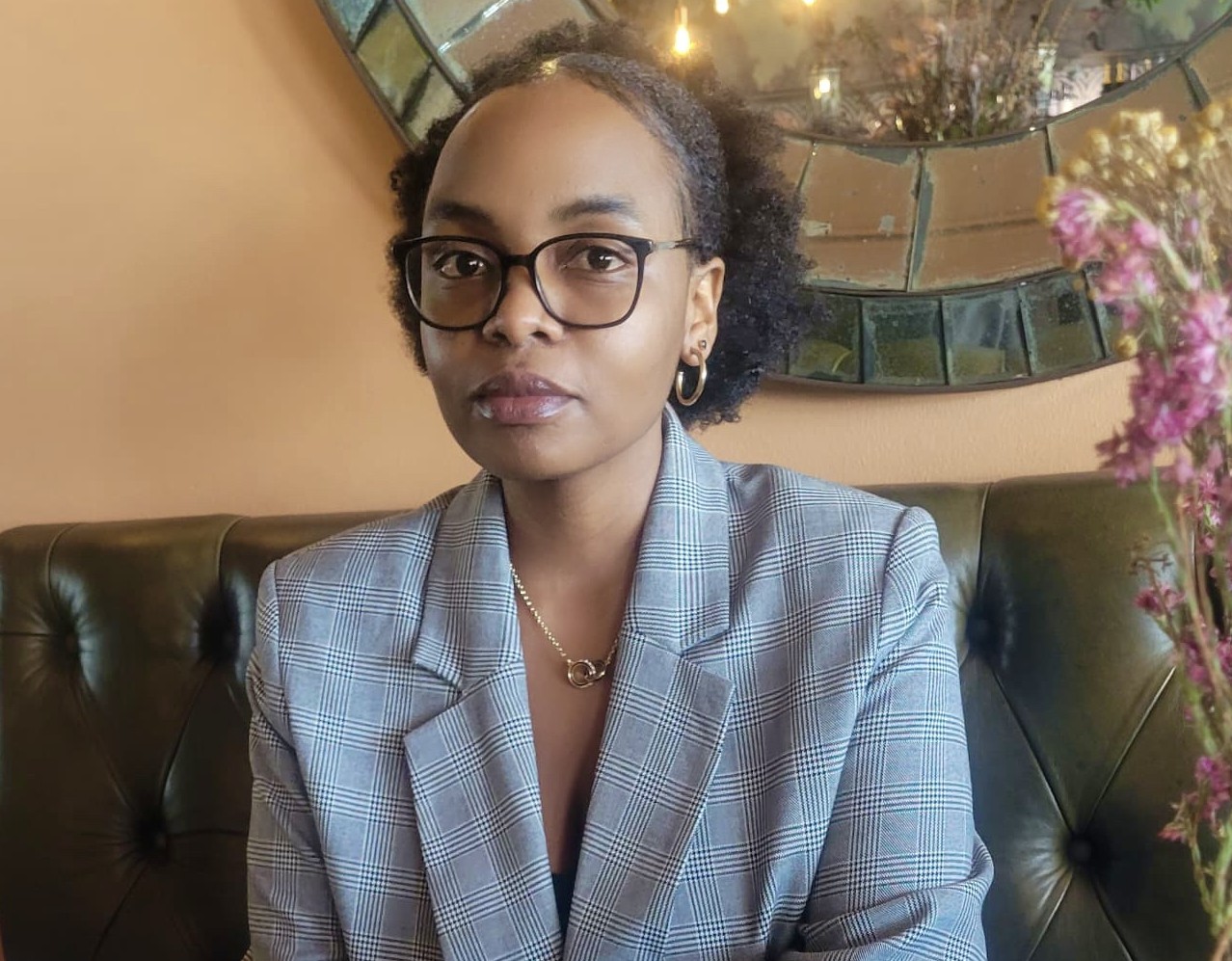
Comfort Musiimenta obtained her degree in Computer Engineering from Mbarara University of Science and Technology in Uganda. Before joining her MPhil in Engineering Education Research at the University of Cape Town, she worked as an Instrumentation and Control Engineer in the oil and gas sector.
Her research examines how pre-internship preparation represents the workplace problem-solving tasks engineering students encounter during internships. It sits at the intersection of engineering education, work-integrated learning, curriculum–practice alignment, and professional engineering practice.
Her work contributes a task-level lens for strengthening internship preparation so engineering curricula make workplace reasoning more visible, teachable, and assessable. It can inform more context-responsive engineering education and support students’ confident transition from university learning into professional practice.

GAVIN NINSHABA obtained a Bsc. in Mechanical Engineering from Makerere University Uganda. Before starting his PhD, he worked as an engineer in industry and educator in academia.
His research focuses on assessing and predicting self‑directed learning readiness among engineering students in Uganda, using a structural equation modelling (SEM) approach. His research sits at the intersection of competence-based education, teaching and learning, educational assessment and measurement, quality assurance, and educational psychology.
This study contributes to educational measurement in engineering education, informs the design of learner-centred and competence-based educational practices, enhances students’ preparedness for lifelong learning, and supports curriculum improvement initiatives.
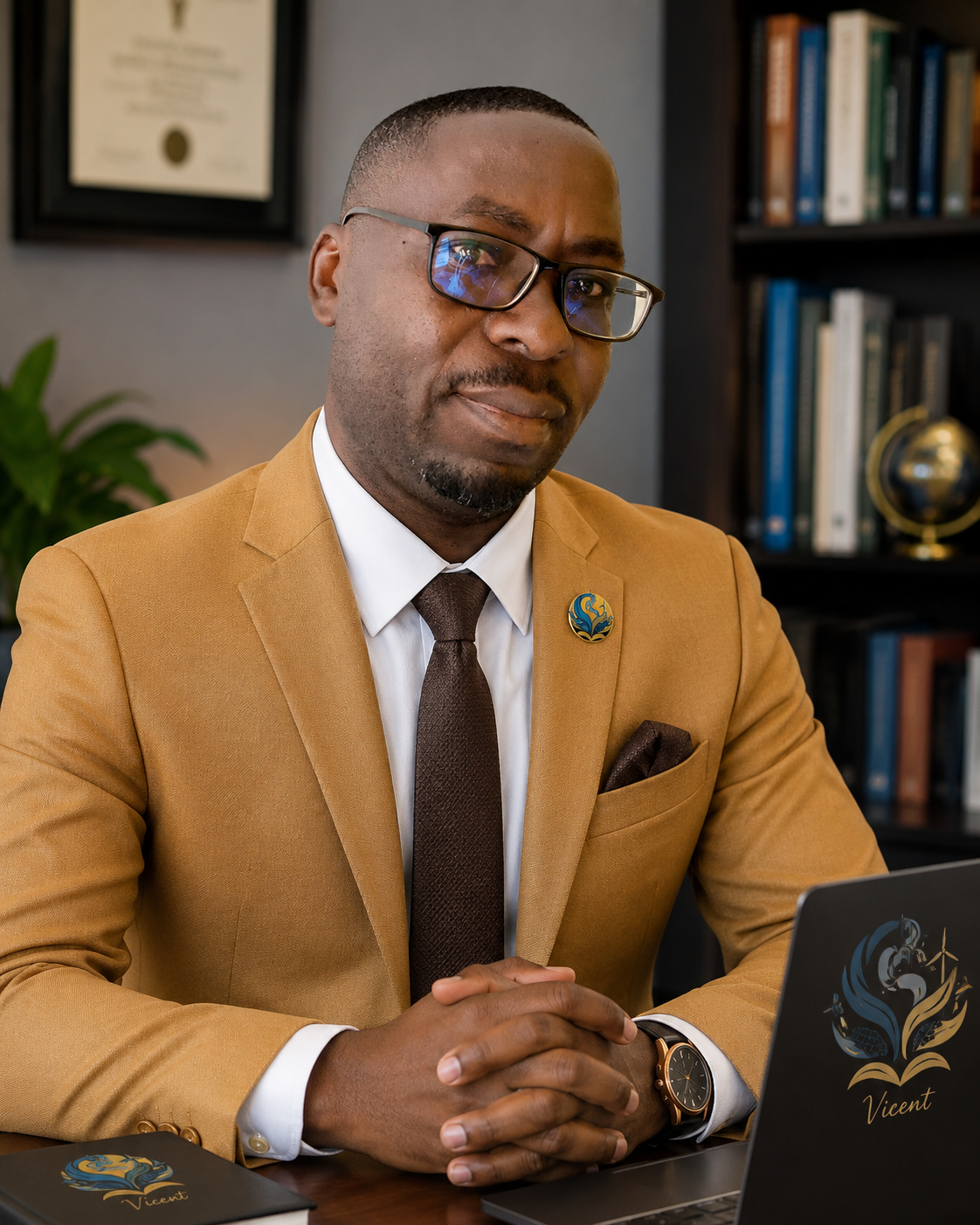
Vicent Rutagangibwa is a PhD candidate in Engineering Education Research at UCT, focusing on sustainability in engineering education. He holds an MEng in Electronics and Communication Engineering from GTU, India, and a BEng in Telecommunications Engineering from Kyambogo University. He is currently a Lecturer in electrical department at Mbarara University of Science and Technology, Uganda.
His research focuses on sustainability in Ugandan engineering education, examining how it is represented in curriculum documents and experienced by students and faculty. The study sits within engineering education research and uses document analysis and phenomenography.
His research contributes to engineering education by informing more contextually responsive ways of integrating sustainability into curricula, teaching, and student learning. It aims to support engineering programmes that prepare graduates to make technically sound, socially responsible, and environmentally conscious decisions in practice.

Michelle is a civil engineer and project manager with an MSc in Civil Infrastructure Management and Maintenance from UCT. Her professional background spans public-sector development programmes, including work across transport, water, heritage and community infrastructure. She is the author of Sibo the Engineer, an African-centred STEM learning program for children.
Her research explores how Indigenous Knowledge and engineering, as complex, situational, and community-based practices in Zimbabwe, can expand engineering knowledge, pedagogy and potentially professional formation.
Her work could help position community-held engineering knowledge as a credible source for curricula, teaching and professional formation. It seeks to support engineers who can engage more meaningfully with local materials, practices and situated infrastructure challenges in Zimbabwe and beyond.
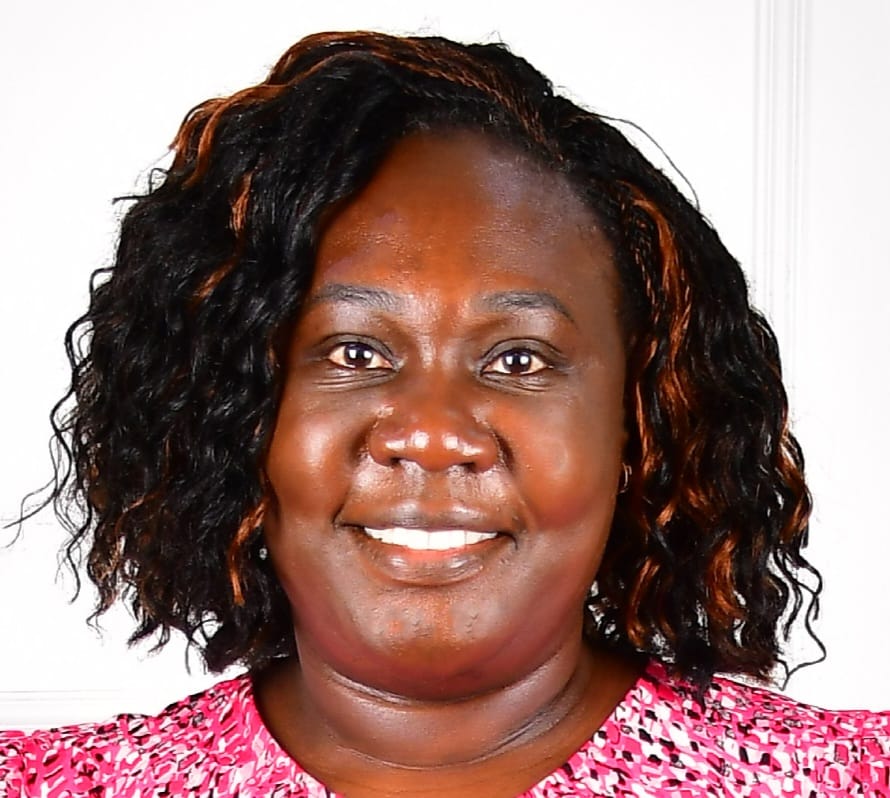
Dorothy W. Maina obtained her BSc in Chemical Engineering and Biotechnology and MSc in Chemical Engineering from D.I. Mendeleyev University of Chemical Technology of Russia, Moscow. Her 20-year career spans production/R&D management, university teaching, programme leadership for Kenya’s pioneering BSc Petroleum Engineering programme, curriculum review, quality assurance and mentorship.
Her research explores how early-career petroleum engineering graduates in Kenya navigate the transition from university into work, and how systemic, institutional and personal influences shape their employment outcomes and career pathways. Looking beyond numbers into graduates’ stories, it sits at the intersection of engineering education, employability and energy-sector workforce development.
Her work contributes evidence for strengthening engineering education, graduate support, and university-industry feedback in Kenya and the wider African context. By tracing where petroleum engineering graduates actually go, why they take particular pathways, and what influences their transitions, the study can inform curriculum responsiveness, mentorship, employability interventions, institutional accountability, and more inclusive pathways from university into professional practice.
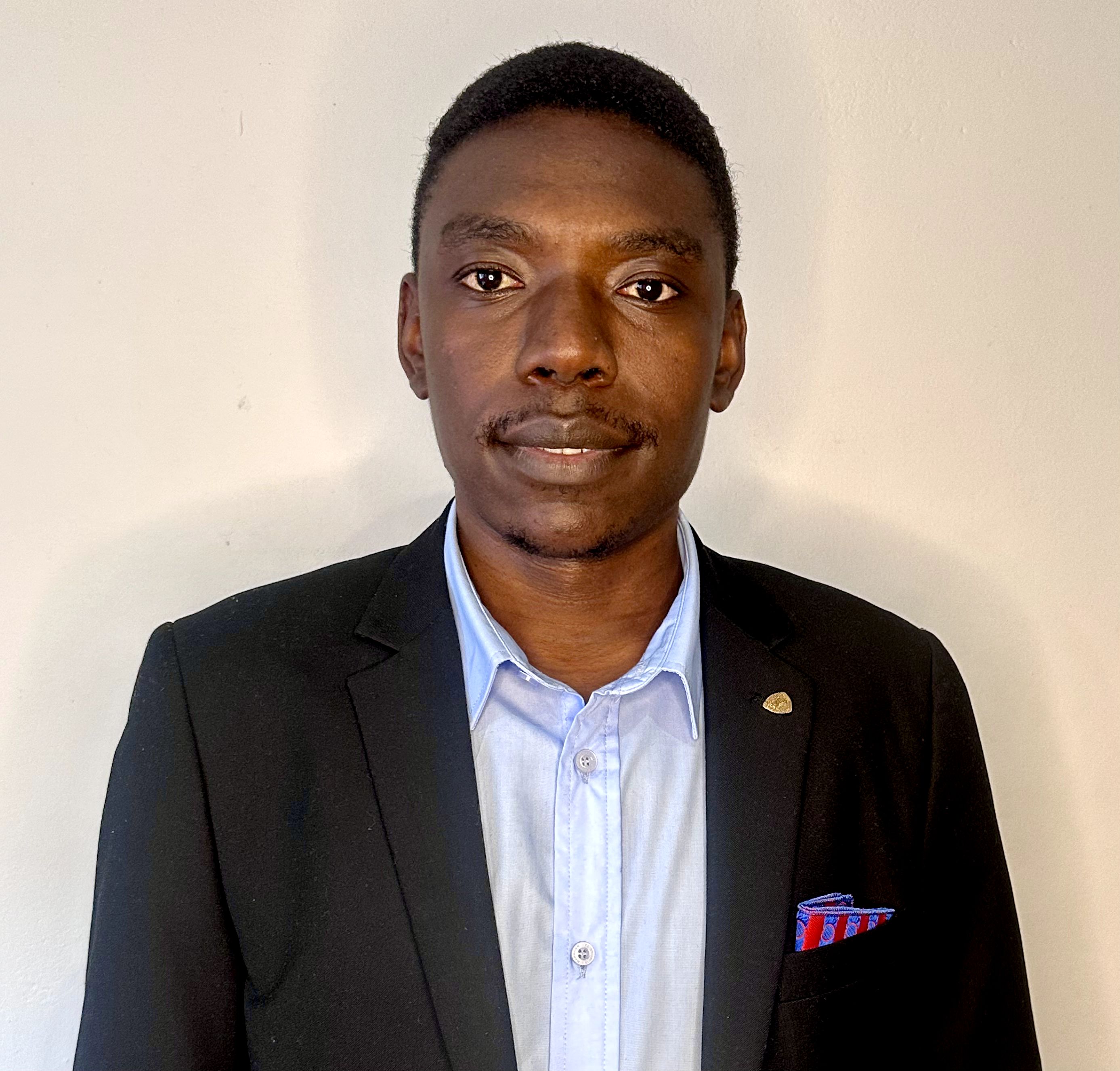
Mike is completing an MPhil in Engineering Education at the University of Cape Town, drawing on hands-on industrial experience in mineral processing and quarry operations in Kenya. He also tutors students in Engineering Drawing.
His study asks whether simulation laboratories bridge theory and real-world problem-solving. He investigates the kinds of knowledge embedded in these labs, how students take that knowledge up, and whether such uptake translates into engineering judgment. The work sits at the intersection of engineering pedagogy, knowledge studies, and educational technology.

Doris obtained her BTech in Electrical & Electronic Engineering from NUST Zimbabwe, MEng in Electrical Systems Control & IT from Southwest Jiaotong University in Chengdu, China specialising in Systems Control. Before starting her PhD, she worked as a lecturer in supervising students, circuit networks, instrumentation etc.
Her research focuses on career progression of women academic staff in engineering in Zimbabwe
The study has the potential to advance engineering education by generating evidence on the factors influencing women's academic career progression in engineering. Its findings may guide universities in developing effective policies, mentoring programmes, and career development strategies that foster gender equity, improve academic leadership opportunities and strengthen the engineering academic workforce.

Nelson holds a Master of Science (MSc) in Electrical and Electronics Engineering (Power Electronics) from Jomo Kenyatta University of Agriculture and Technology (JKUAT), Kenya and is currently pursuing a PhD in Engineering Education at the University of Cape Town (UCT), South Africa. Prior to commencing his doctoral studies, he served as a Teaching Fellow at Strathmore University.
His research focuses on assessing effectiveness of competency-based education and training in enhancing competencies among level 6 electrical engineering graduates from TVET institutions in Kenya.
Engineering curriculum design
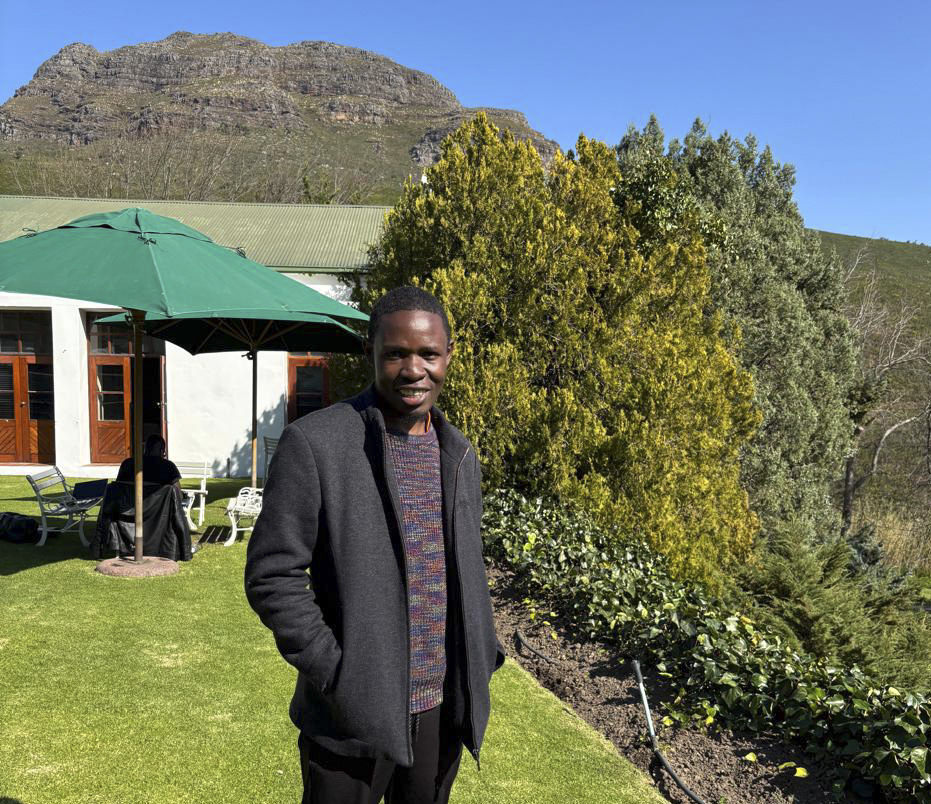
Clifford Aviha obtained his BSc in Telecommunications from Strathmore University in Kenya. Before starting his Masters studies, he worked in the telecommunications sector, primarily with Internet Service Providers (ISPs) in Kenya, gaining industry experience in telecommunications and network services.
His current research focuses on understanding how the identities that engineering students develop through their higher education qualifications shape their experiences of workplace learning. The research sits at the intersection of discursively constructed student identities in engineering education and work-integrated learning.
The study aims to help universities and industry partners create more equitable and inclusive learning environments that support meaningful participation and professional identity development for engineering students.


Funded by the European Union. Views and opinions expressed are however those of the author(s) only and do not necessarily reflect those of the European Union or the European Education and Culture Executive Agency (EACEA). Neither the European Union nor EACEA can be held responsible for them.