

The Capacity Building for Engineering Education (CB4EE) Consortium is inviting engineering academics, curriculum leaders, accreditation stakeholders, institutional leaders, and students to participate in the Engineering Education Transformation Series taking place between August and October 2026.
Under the theme “Building Holistic Engineering Graduates for Africa”, the series will bring together engineering educators and professional bodies to explore curriculum innovation, sustainability, accreditation, and the future of engineering education across African institutions.
The programme begins with online webinars on curriculum innovation and sustainability in engineering education. These will be followed by the Nigeria Engagement Week from 12–17 October 2026, featuring an international panel on engineering education, an interactive student engagement session, a faculty workshop series, and a strategic accreditation and leadership dialogue.
The programme is designed for undergraduate and postgraduate students, engineering academics, heads of department, programme coordinators, curriculum developers, engineering education researchers, accreditation and quality assurance representatives, and institutional leaders responsible for teaching and learning.
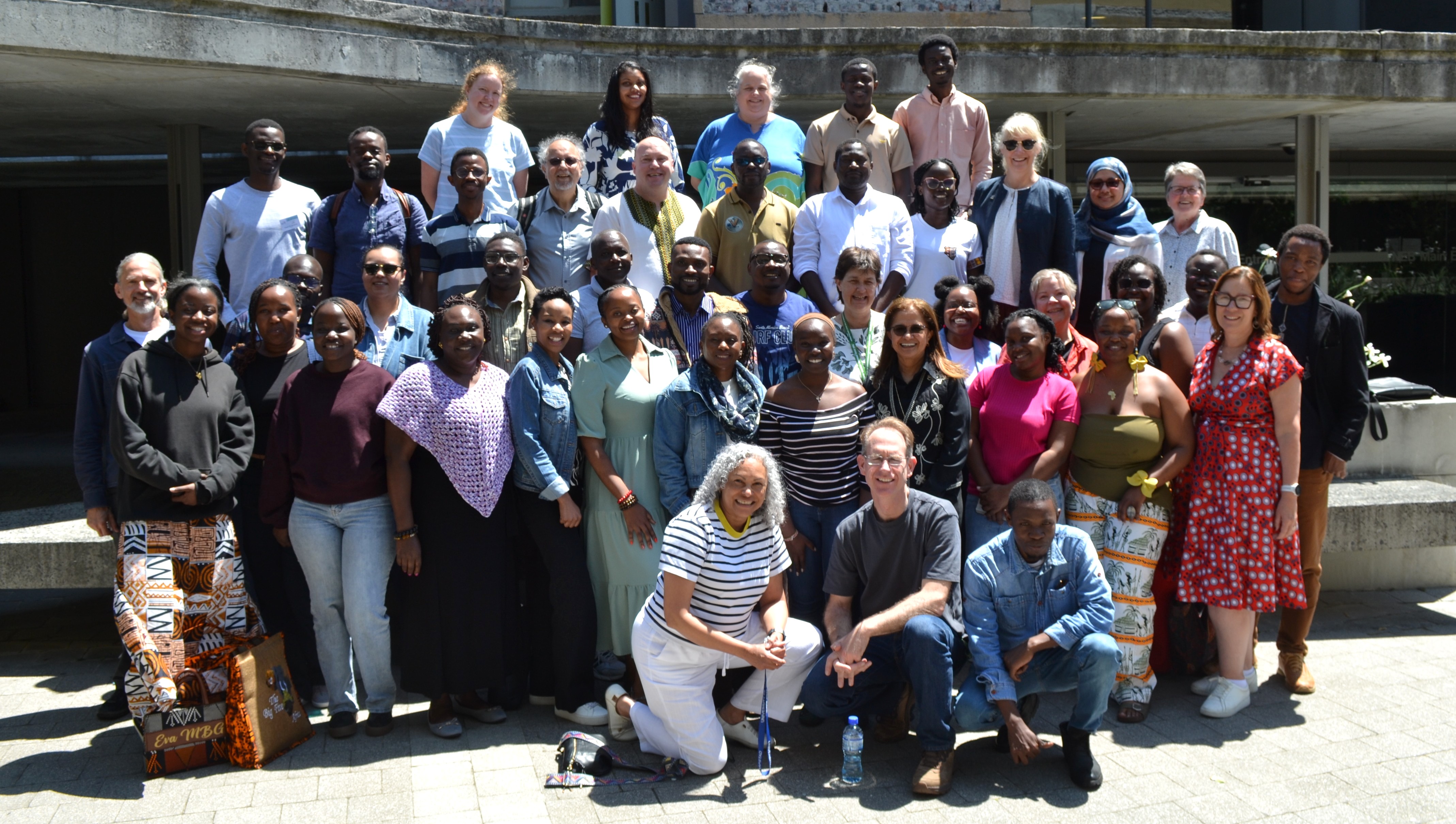
From 27–30 October 2026, CB4EE Master’s and PhD students came together at the University of Cape Town for the Engineering Education Research Spring School. The programme was hosted by the Centre for Research in Engineering Education (CREE) at UCT in collaboration with KTH Royal Institute of Technology, the Intra-Africa Mobility Consortium, and international partners.
Across the four days, students engaged with international Engineering Education scholars through plenary panels, interactive workshops, mentoring engagements, peer dialogue, and reflective activities. The Spring School created opportunities for participants to strengthen their research, receive focused feedback, develop methodological and scholarly skills, and build connections within the wider Engineering Education research community.
Student reflections highlighted the value of the mentoring engagements in creating space for meaningful discussion and constructive feedback. Participants also valued sessions on writing for journal publication, qualitative interviewing, and the opportunity to receive detailed feedback on their developing research. For some students, the individual mentoring conversations provided valuable insight into the expectations and processes surrounding postgraduate research and examination.
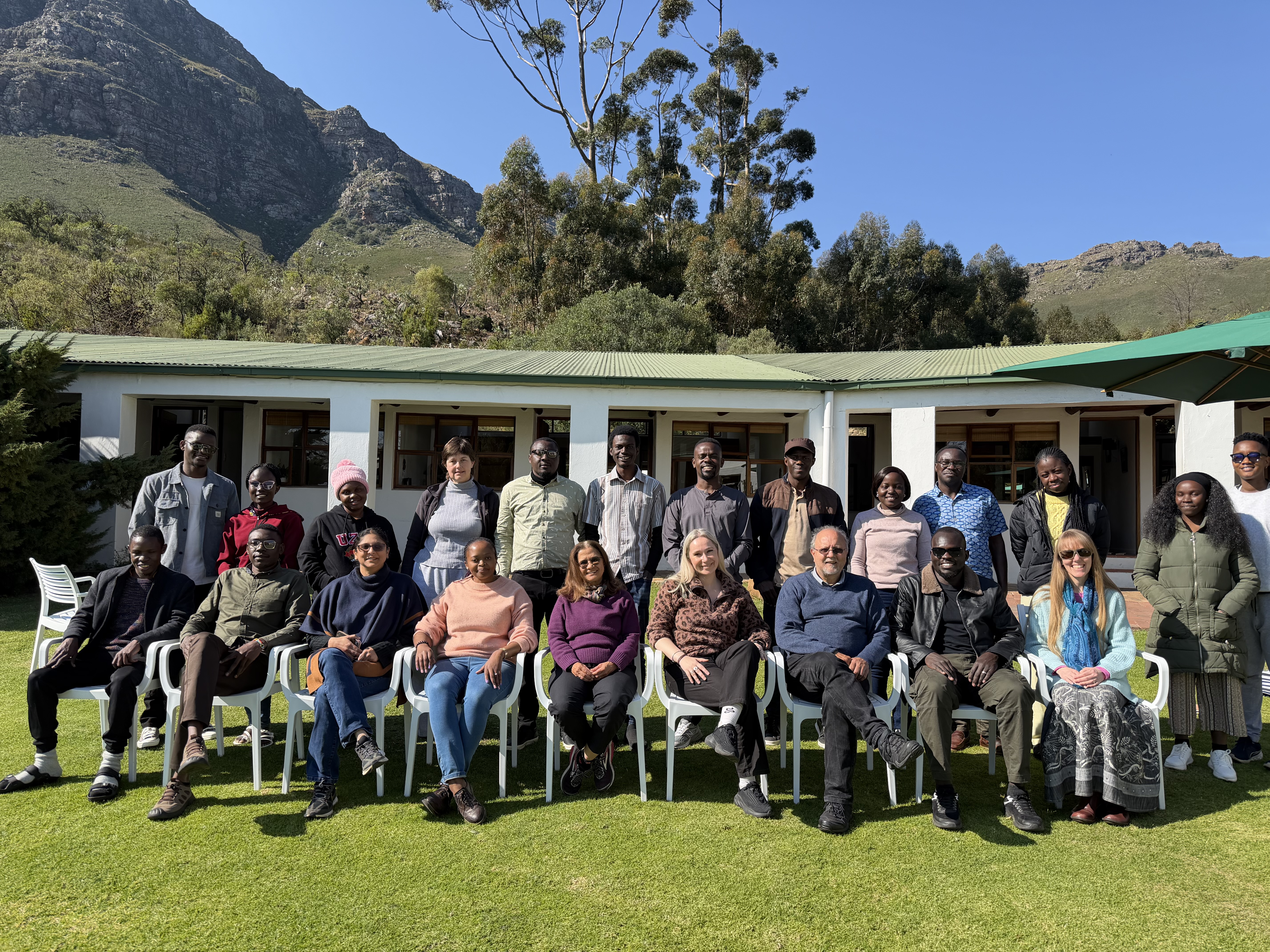
From 31 July to 2 August 2026, the CB4EE 2025 and 2026 Master’s students came together at Mont Fleur for a dedicated Proposal Writing Retreat designed to provide focused time for academic writing, reflection, research development, and engagement with supervisors and fellow students.
Set in the tranquil environment of Mont Fleur, the retreat gave students an opportunity to step away from their usual day-to-day demands and concentrate on key milestones in their research. The 2026 cohort focused particularly on strengthening research proposals and ethics applications, while the 2025 cohort continued developing and refining their dissertation work.
The programme combined substantial periods of individual writing with structured sessions on research design, methodology, ethics, data privacy and confidentiality, realistic research timelines, and planning for pilot studies and fieldwork. Students also participated in small-group proposal reviews, fireside discussions, and one-on-one consultations with members of the teaching and supervisory team.
A central aim of the retreat was to support students in setting clear and achievable writing goals, receiving targeted feedback, and making measurable progress towards their academic milestones while strengthening the collaborative research community within CB4EE.
From 21–23 November 2025, the PhD Summer School in Engineering Education Research brought together PhD students, post-doctoral scholars, and early-career researchers in Muldersdrift, South Africa, for a focused three-day learning and networking experience hosted alongside the IRSPBL / SASEE / SoTL in the South Conference.
Framed around the theme “Anchoring conversations: Connection, collaboration and co-creation for the future”, the Summer School created space for participants to deepen their expertise in engineering and science education research while engaging with African epistemologies, Global South realities, and international perspectives.
Across the three days, participants explored the politics of knowledge in engineering and science education, considered sustainability as a central research imperative, and reflected on future career pathways in the field. The programme included dialogues, reflective mapping, case analysis, curriculum design activities, mentoring circles, peer review, and networking engagements.
The Summer School also provided an important opportunity to strengthen collaboration across institutions and regions, supporting the growth of a research community committed to transformative, contextually grounded, and globally connected engineering education scholarship.

We were joined by a wonderful team of Engineering Education researchers and practitioners from South Africa and Nigeria - Prof. Lelanie Smith from the University of Pretoria, Prof. Zach Simpson from the University of Johannesburg, Dr Disa Mogashana, PhD also from the University of Pretoria, and Prof. Olayinka Omowunmi Adewumi from the University of Lagos. They shared their experiences and current practices that have been developed gradually in response to the need to influence engineering students to relate better with learning experiences and to inspire educators to explore and adopt more evidence-supported approaches to how we educate.
We started the Capacity Building for Engineering Education (CB4EE) workshops on Monday and Tuesday, 6th and 7th October 2025, in Murang’a – hosted by the Murang'a University of Technology. We were joined by engineering educators from Murang'a University of Technology, South Eastern Kenya University (SEKU), Jomo Kenyatta University of Agriculture and Technology (JKUAT), Dedan Kimathi University of Technology (DeKUT), Chuka University, Machakos University, Meru University of Science and Technology (MUST), and Kirinyaga University.
On Wednesday 8th and Thursday 9th October, Strathmore University was honoured to host educators from the University of Nairobi, Kenyatta University, Egerton University, and The Technical University of Kenya. The attendance was inspiring and the feedback from both Murang’a and Strathmore participants has been very encouraging.
The activities throughout the week got all of us to connect to each other as human beings first; to listen and appreciate individual experiences; and then to share those, along with our current practices. Sitting around round tables, engineering educators, mathematics and physics educators, computing sciences educators and programme administrators got to appreciate each other’s perspectives.
We reflected on strategies to influence our students to enjoy learning. We stepped into our students’ shoes to understand how they might respond to how we engage with them. Equally important was for us as educators to find a healthy balance—avoiding crossing a ‘line-of-insanity’—by focusing on what we control, while using thoughtful approaches to influence others to reflect and consider self-driven change.


Funded by the European Union. Views and opinions expressed are however those of the author(s) only and do not necessarily reflect those of the European Union or the European Education and Culture Executive Agency (EACEA). Neither the European Union nor EACEA can be held responsible for them.